In this article, we will talk about the Ways AI Is Changing Stock Market Trading for Everyday Investors and how artificial intelligence is shaking up the trading of standard individuals.
AI has transformed the trading from predictive analytics and sentiment tracking to robo-advisors and automated risk management, allowing for faster, smarter, and more accessible trading.
These developments enable the average investors to make informed decisions, lower risks and enhance their entire trading experience in contemporary financial markets.
Key Points & Ways AI Is Changing Stock Market Trading for Everyday Investors
Advanced Predictive Analytics AI models forecast market movements using historical data, helping investors anticipate opportunities and risks.
High-Frequency and Algorithmic Trading Algorithms execute trades within milliseconds, maximizing efficiency and exploiting tiny price fluctuations for profit.
Real-Time Sentiment Analysis AI scans social media and news, gauging investor mood to predict market reactions instantly.
Personalized Robo-Advisors AI-driven advisors tailor investment strategies to individual goals, risk tolerance, and financial circumstances automatically.
Automated Risk Management AI systems monitor portfolios continuously, adjusting positions to minimize losses and protect investor capital.
No-Code Strategy Building Investors design trading strategies using AI platforms without programming, democratizing access to advanced tools.
AI-Powered Fundamental Research AI analyzes company reports, earnings, and industry trends faster, providing sharper insights for investment decisions.
Enhanced Fraud Detection AI detects suspicious trading patterns, preventing scams and safeguarding everyday investors from financial fraud.
24/7 Market Monitoring AI tracks global markets nonstop, alerting investors to opportunities or risks across time zones instantly.
AI-Driven Options Trading Tools AI evaluates complex options strategies, simplifying decisions and improving outcomes for retail investors trading derivatives.
10 Ways AI Is Changing Stock Market Trading for Everyday Investors
1. Advanced Predictive Analytics
Advanced predictive analytics harnesses the power of Artificial Intelligence (AI) to analyze years worth of historical market data, price trends and trading patterns.
AI systems can predict future stock and index prices by identifying hidden correlations and recurrence across data.

This translates into improved decision making support for the average investor, with AI surfacing potential opportunities and risks before they are apparent in the market.
Its not the finest signal in the world but it certainly is miles ahead of any timing strategy as it allows investors to enter and exit trades with more trust and less emotional bias.
| Feature | Explanation |
|---|---|
| Data-driven forecasting | Uses historical market data to predict future price movements accurately |
| Pattern recognition | Identifies hidden trends and repeating market behaviors automatically |
| Risk prediction | Estimates potential market risks before major price changes occur |
| Decision support | Helps investors make smarter entry and exit trading decisions |
2. High-Frequency and Algorithmic Trading
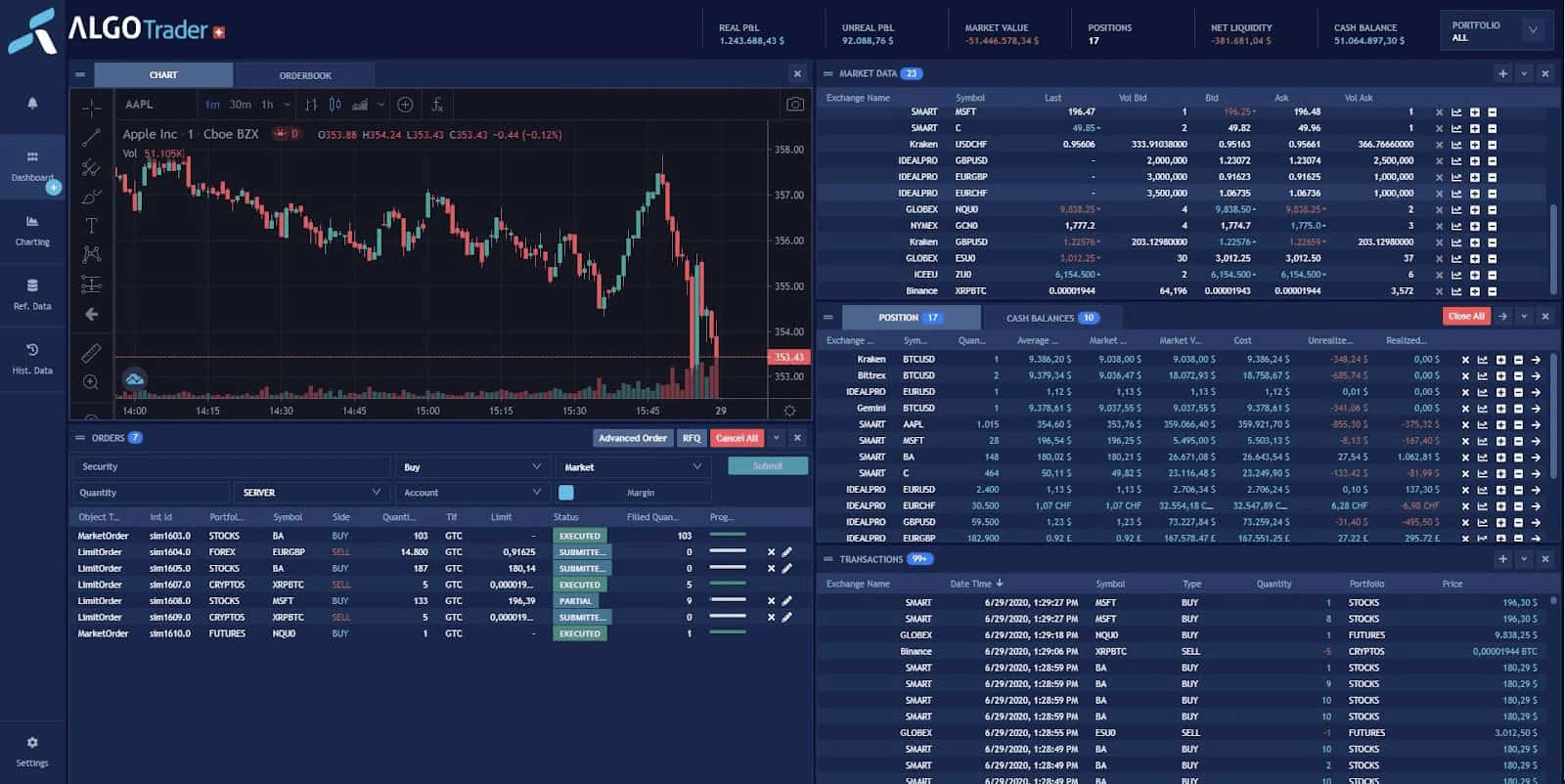
AI-based trading systems make thousands of trades in fractions of a second, enabling high-frequency and algorithmic trading.
They analyze current market data and respond almost instantaneously to small changes in price that human eyes cannot see.
For the everyday investor, this technology provides an efficient market and liquidity. Retail traders do not directly benefit from their use
since they are primarily a product for an institutional client base; but by transmitting tighter spreads and rapid price adjustment to the retail space, pay.
This also paves the way for automated trading tools that many of today investment platforms now have.
| Feature | Explanation |
|---|---|
| Millisecond execution | Executes trades extremely fast using AI-powered algorithms |
| Market efficiency | Reduces price gaps by reacting instantly to market changes |
| Large-scale trading | Handles thousands of trades simultaneously without delay |
| Low latency response | Responds faster than human traders to market movements |
3. Real-Time Sentiment Analysis
Sentiment analysis in real-time—–uses AI, computer science, and linguistics to take an aggregate view of thousands of news articles, financial reports social media posts and other online discourse about how people feel about a stock or the market.
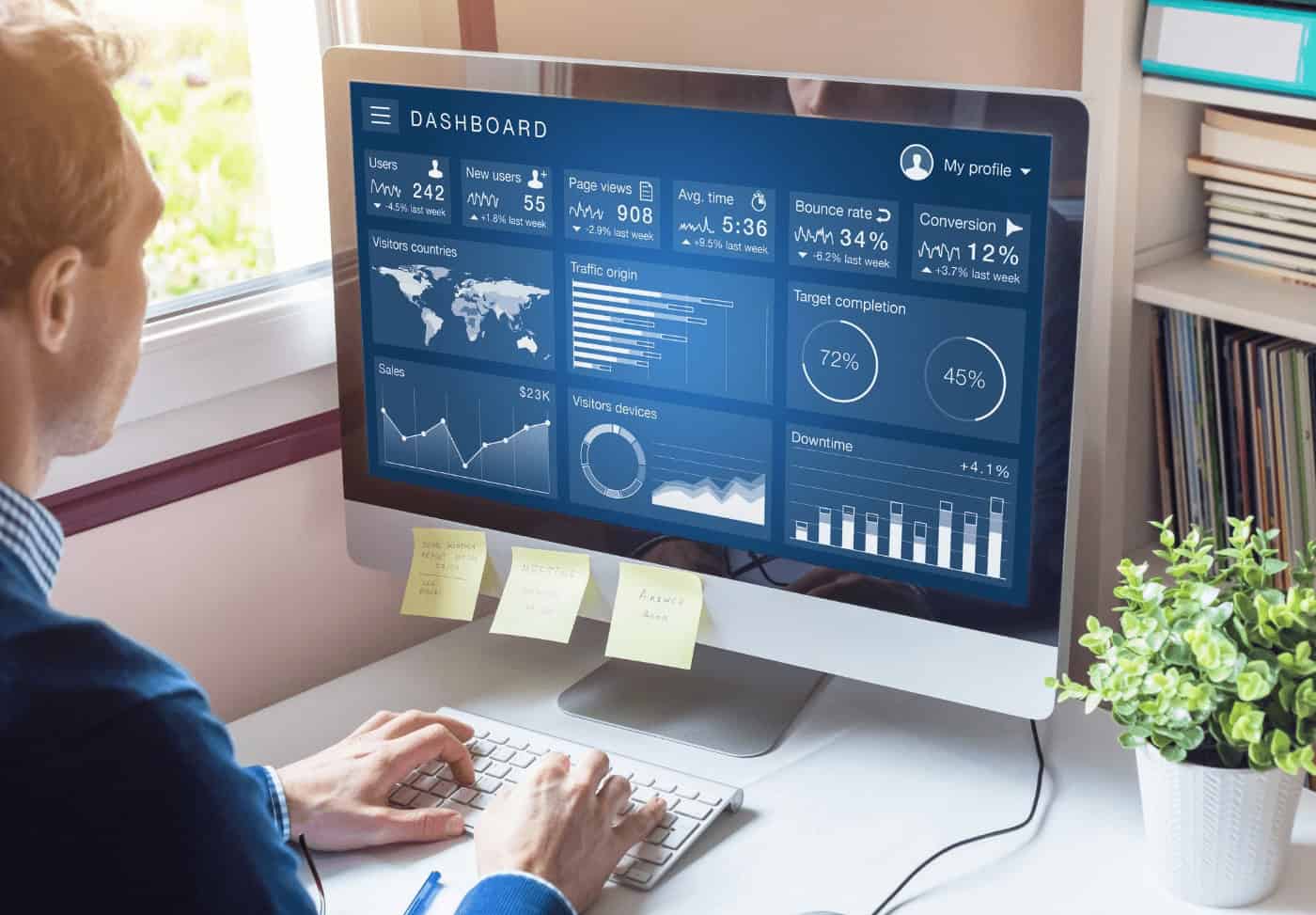
Short Term Price Movement is Impacted by Sentiment Positive or Negative This unstructured data is processed by AI in real-time, transforming opinions into insights.
This can even help everyday investors predict when sudden market reactions and volatility might occur. Investors who know how crowd psychology really works in real-time can identify mood and breaking news trends before the flock does and make wiser decisions accordingly.
| Feature | Explanation |
|---|---|
| Social media tracking | Monitors platforms like news sites and social media continuously |
| Emotion detection | Analyzes positive, negative, or neutral market sentiment |
| Instant insights | Converts public opinion into real-time trading signals |
| News impact analysis | Evaluates how breaking news affects stock prices immediately |
4. Personalized Robo-Advisors
Personalized robo-advisors are AI based financial management tools that improve risk-adjusted returns by tracking one or more portfolios based on an individual’s goals, time horizon, and tolerance for share market fluctuations.
Investors get tailored recommendations and automated portfolio adjustments instead of picking stocks by hand. These systems automatically reallocate investments to optimize performance.

Robo-advisors bring professional-grade financial planning to everyday investors at an attractive price. They limit emotional decision making, have diversification built-in, and help users stick to their long term investment objectives with no need for a deep understanding of the market or tracking it on an ongoing basis.
| Feature | Explanation |
|---|---|
| Automated portfolio creation | Builds investment portfolios based on user goals and risk level |
| Continuous rebalancing | Adjusts investments automatically for better performance |
| Cost-effective advisory | Provides financial guidance at lower cost than human advisors |
| Goal-based planning | Aligns investments with long-term financial objectives |
5. Automated Risk Management
Automated risk management applies artificial intelligence to risk that is constantly measured as a loss or imbalance across investment portfolios.
This assess all market volatility, correlations between the assets traded there and as well exposure level in real time.

In case the risk level breaches predetermined limits, AI can rebalance assets automatically, place stop-loss orders or recommend a safer route.
This lessens the risk of significant financial loss for average investors when sudden market declines hit. It works as a guard shield, that guarantees investments maintain risk appetite within investment paper stability irrespective of market volatility
| Feature | Explanation |
|---|---|
| Real-time monitoring | Tracks portfolio risk levels continuously without delay |
| Auto rebalancing | Adjusts assets automatically during market volatility |
| Loss prevention tools | Uses stop-loss and protective strategies to reduce losses |
| Risk alerts | Notifies investors about dangerous market conditions instantly |
6. No-Code Strategy Building
Each investor built unlimited strategies that are testable without programming languages with the concept of no-code strategy building.
The same goes for AI platforms that provide drag-and-drop tools that users can use these movers to set up the conditions, indicators, and rules for automated trading.

This opens advanced algorithmic trading instructions for everyone. Average investors must create strategies based on technical indicators or market signals using their hands, no need for coding.
It’s enabling significantly more people to get involved in systematic trading, experiment less dangerously with algorithms and optimize strategies via backtesting & AI-generated insights.
| Feature | Explanation |
|---|---|
| Drag-and-drop tools | Allows users to build strategies visually without coding |
| Strategy customization | Enables personalized trading rules and conditions |
| Backtesting support | Tests strategies on past market data for accuracy |
| Beginner-friendly access | Makes advanced trading tools easy for new investors |
7. AI-Powered Fundamental Research
AI-based fundamental research enables investors to evaluate a company faster and at greater depth than ever before.
It can analyze income statements, earnings reports, balance sheets and industry data in few seconds. AI is also used to measure a company against its sector peers for strengths, weaknesses and growth potential.

This saves research time and increase the accuracy of decisions taken by everyday investors. Rather than wading through hundreds of pages of reports, investors are presented with summaries and key metrics.
It makes the fundamental analysis process more efficient, data-oriented and allows even those who are not very familiar with these issues to trade.
| Feature | Explanation |
|---|---|
| Fast financial analysis | Processes company reports in seconds for insights |
| Multi-company comparison | Compares businesses across industries easily |
| Key metric extraction | Highlights important financial indicators automatically |
| Investment insights | Provides clear summaries for better decision-making |
8. Enhanced Fraud Detection
AI-powered fraud detection identifies abnormal trading patterns, dubious transactions, and any possible market manipulation.
It continuously analyzes enormous amounts of trading data to find patterns of suspicious activity that could signal fraud.

That way, it acts as a second level of protection to safeguard everyday investors from fraudsters — even if someone gains access to their account.
AI flagging risks in real time enables immediate actions before the problem results in damage. This enhances confidence among digital trading platforms and contribute to the integrity of financial markets at large.
| Feature | Explanation |
|---|---|
| Anomaly detection | Identifies unusual trading patterns quickly |
| Scam prevention | Detects fraudulent activities in real time |
| Account protection | Secures investor accounts from unauthorized actions |
| Market integrity | Maintains fairness and transparency in trading systems |
9. 24/7 Market Monitoring
AI-driven 247 market monitoring guarantees rest-free tracking of worldwide financial markets. Given that markets run 24 hours across various time zones, AI systems never sleep and immediately notice fluctuations in price, events of news or other behavior.
For casual investors, it means they get alerts about new opportunities or risks even when they’re not logged on.

The whole process is more responsive and efficient, reduces the need for manual checking at all times, and you never miss an important market move.
| Feature | Explanation |
|---|---|
| Continuous tracking | Monitors global markets without interruption |
| Instant alerts | Notifies users about sudden price changes or events |
| Time zone coverage | Tracks markets across all international exchanges |
| Always-on system | Ensures no opportunity or risk is missed |
10. AI-Driven Options Trading Tools
Advanced derivative trading tools that use AI assist users ease into complicity of derivatives, by evaluating pricing models, volatility and future probabilities.
The basic nature of options trading is complex, mainly due to the number of variables involved, but AI simplifies it into sensible perspective and strategy recommendations.
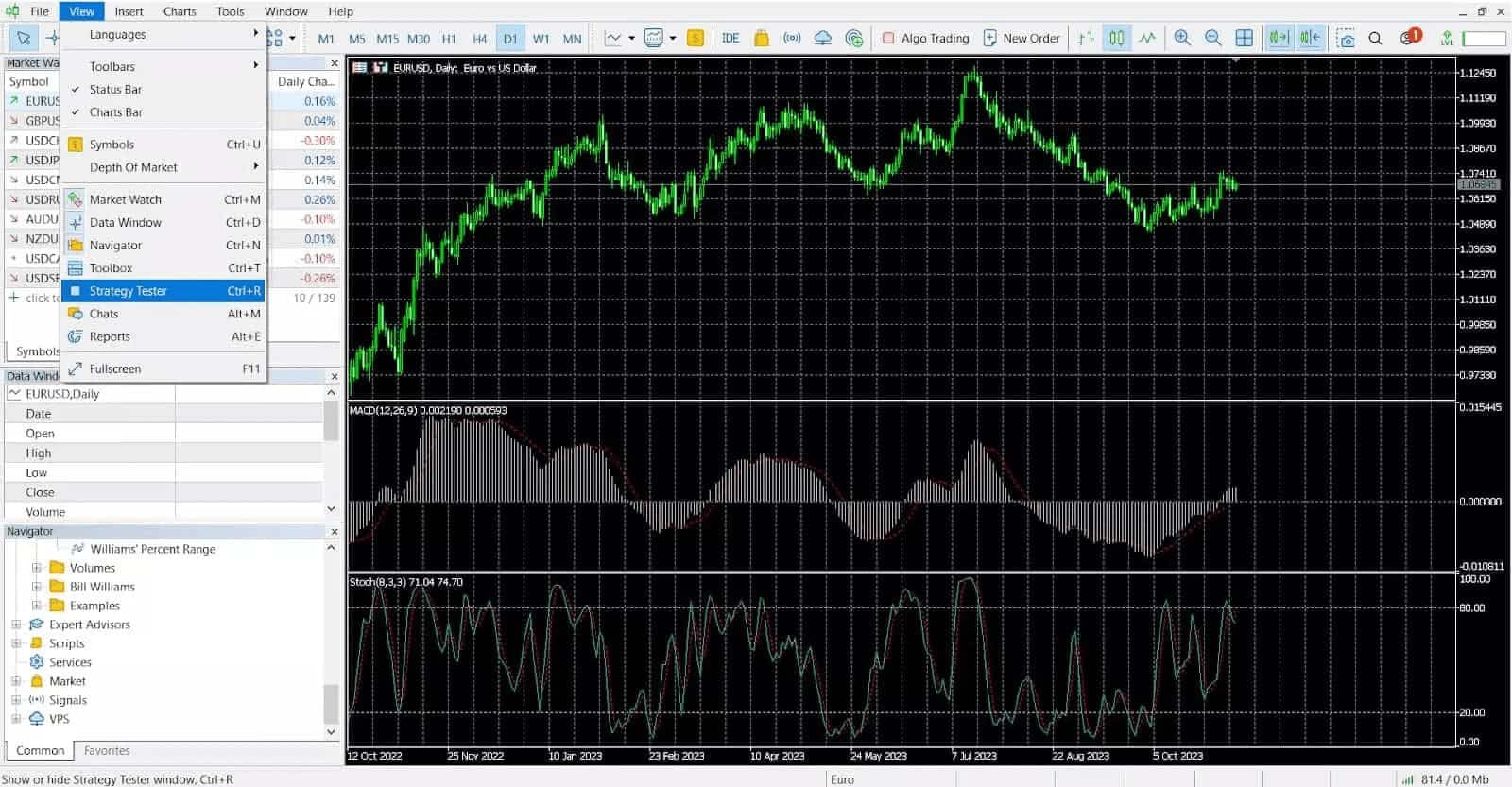
It guides investors in assessing risk-reward situations and selecting target strike prices or expiration dates. This makes it easier for regular investors to factor in the risk in their decision-making.
They will simulate outcomes too, allowing traders to see potential gains or losses before they actually trade and help traders develop a successful trading strategy that reduces risk.
| Feature | Explanation |
|---|---|
| Strategy analysis | Evaluates complex options trading strategies easily |
| Risk-reward modeling | Calculates profit and loss scenarios accurately |
| Price prediction tools | Assesses option pricing using AI models |
| Trade simulation | Lets users test trades before executing them |
How We Choose Ways AI Is Changing Stock Market Trading for Everyday Investors
- Target beginner-oriented sectors such as robo-advisor and no-code tools
- Integrate AI capabilities with predictive analytics and sentiment analysis to enhance decision-making
- Billboard riskinhibitors like automatic adequate management and fraud detection
- Choose time-saving innovations such as 24/7 market monitoring systems
- Pick Topics That Demonstrate Real-World Trading Benefits, Not Just Technical AI Concepts
- Make easy-to-implement and practical points for the average reader Also Read: How to ensure success with blogging
- Focus on trading platforms already equipped with AI tools
- Make sure that you end each point by saying how AI makes more profit, safer or efficient trader.
Conclusion
To Sum up,Ways AI Is Changing Stock Market Trading for Everyday Investors demonstrates that the implementation of artificial intelligence is redefining how we look at modern investing.
It increases predictive capabilities, risk management, and enables the ease of trading through robo-advisors and automation.
AI provides investors with the ability to make data-driven decisions faster and without emotional bias. In summary, it equips ordinary traders with more powerful tools, deeper insights and broader access to institutional-grade trading strategies.
FAQ
What is the role of AI in stock market trading?
AI helps analyze data, predict trends, and improve trading decisions for investors.
How does AI improve stock predictions?
AI uses historical data and patterns to forecast possible market movements more accurately.
What is algorithmic trading?
It is AI-based trading where computers execute trades automatically at high speed.
How does AI analyze market sentiment?
AI scans news, social media, and reports to understand investor emotions and reactions.