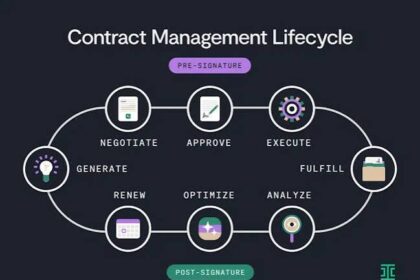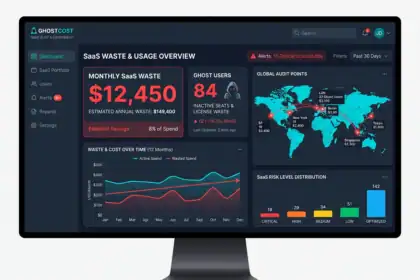
I’ll go over how SaaS Tools Help Accountants Automate Bookkeeping Completely in this post, as well as how contemporary cloud-based platforms are changing accounting procedures.
With sophisticated automation and artificial intelligence features, these products simplify financial reporting, reconciliation, spending tracking, and invoicing.
You will discover how top SaaS solutions help accountants handle finances more effectively in today’s digital business environment, minimize manual labor, and increase accuracy.
Key Points & SaaS Tools Helping Accountants Automate Bookkeeping Completely
Xero automates accounting tasks, invoicing, bank reconciliation, and financial reporting efficiently and easily.
QuickBooks Online – QuickBooks Online simplifies bookkeeping, invoicing, payroll, expenses, and tax management.
Zeni – Zeni is an AI CFO tool automating bookkeeping, accounting, and reporting tasks, and insights.
Ramp – Ramp automates expense management, corporate cards, approvals, and financial controls tracking platform.
BILL – BILL automates accounts payable, receivable, payments, and invoice workflows efficiently processing automation.
Vic.ai – Vic.ai uses AI to automate invoice processing, approvals, and accounting tasks optimization.
Dext – Dext automates receipt capture, data extraction, bookkeeping, and expense management workflow efficiency.
Docyt – Docyt provides AI bookkeeping automation, expense tracking, and reporting tools, analytics insights.
Numeric – Numeric automates accounting workflows, close management, and financial reporting processes optimization system.
Zoho Books – Zoho Books simplifies invoicing, accounting, tax filing, and financial automation platform tools.
BlackLine – BlackLine automates financial close, reconciliation, compliance, and accounting operations efficiency control system.
Zapier – Zapier connects apps, automating workflows, bookkeeping tasks, and data transfer integration automation.
12 SaaS Tools Helping Accountants Automate Bookkeeping Completely
1. Xero
For small to mid-sized businesses looking for complete bookkeeping automation, Xero is a top cloud accounting software as a service (SaaS) platform. It provides intelligent spending tracking, automated invoicing, and real-time bank reconciliation.

Xero improved its AI-powered classification capabilities in 2026, resulting in quicker and more precise transaction matching. Instantaneous cash flow information is offered by its dashboard, and workflow efficiency is increased by integrations with more than 1,000 apps.
Because of its easy-to-use interface, compatibility for many currencies, and robust automation features that greatly minimize the amount of manual accounting work and simplify financial reporting across several corporate units, Xero is preferred among accountants.
| Feature | Description |
|---|---|
| Bank Reconciliation | Automatically matches transactions with bank feeds in real time |
| Invoicing Automation | Creates, sends, and tracks invoices automatically |
| Financial Reporting | Generates real-time profit, loss, and balance sheet reports |
| App Integrations | Connects with 1000+ apps for workflow automation |
2. QuickBooks Online
One of the most popular accounting SaaS solutions in the world, QuickBooks Online, provides strong automation for payroll and bookkeeping.
It incorporates smart expense tracking, automated tax computations, and AI-based transaction classification. Predictive analytics was included in QuickBooks’ real-time dashboards and reporting tools in 2026.

Its ecosystem is perfect for growing enterprises because it enables thousands of integrations. QuickBooks Online is used by accountants for compliance management, bank syncing, and invoice automation.
This helps small and medium-sized businesses improve their operational efficiency and financial accuracy while lowering human entry errors.
| Feature | Description |
|---|---|
| Smart Categorization | AI automatically classifies income and expenses |
| Payroll Management | Automates salary processing and tax deductions |
| Expense Tracking | Captures and organizes business expenses in real time |
| Tax Automation | Calculates and prepares tax reports automatically |
3. Zeni
Zeni is a finance platform driven by artificial intelligence that serves as a virtual CFO for new and expanding businesses.
Payroll tracking, spending classification, bookkeeping, and real-time financial reporting are all automated.
Zeni, in contrast to conventional accounting software, blends AI automation with human specialists to increase accuracy.
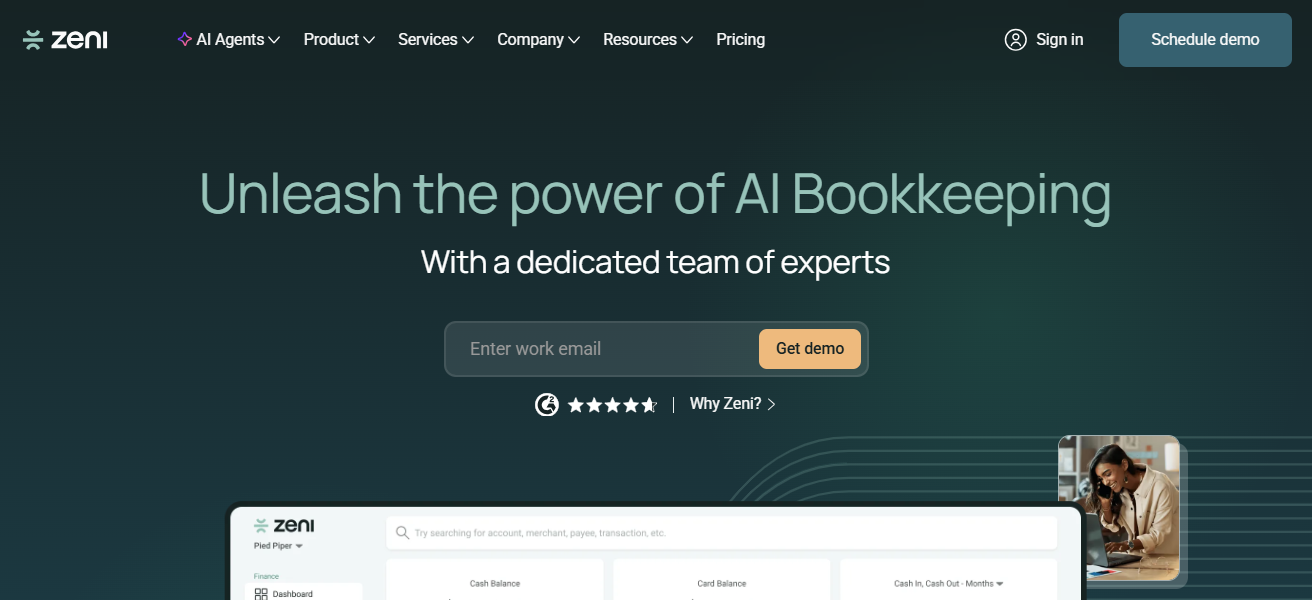
Cash flow forecasting and real-time dashboards will be major priorities in 2026. Because Zeni offers automated month-end closure procedures, immediate insights, and proactive financial
Management through machine learning-driven analytics and intelligent transaction processing, startups favor it over internal accounting teams.
| Feature | Description |
|---|---|
| AI Bookkeeping | Fully automated transaction recording using AI |
| Virtual CFO Dashboard | Real-time financial insights and forecasting |
| Expense Monitoring | Tracks and categorizes spending automatically |
| Human + AI Hybrid | Combines automation with expert accountant review |
4. Ramp
Ramp is a cutting-edge financial automation software that specializes on bill payment, corporate cards, and cost management. It assists accountants with real-time budget management, vendor payments, and cost approval automation.
Ramp improved its AI-driven expenditure controls in 2026, automatically identifying wasteful spending and maximizing cash flow. Accounting programs like Xero and QuickBooks are easily integrated with it.

Ramp is a potent instrument for finance automation and cost optimization since it allows businesses to do away with manual reimbursement procedures and obtain total control over corporate expenditure.
| Feature | Description |
|---|---|
| Corporate Cards | Smart cards with built-in spending controls |
| Expense Automation | Automatically tracks and categorizes expenses |
| Bill Payments | Streamlined vendor payment automation system |
| Spend Analytics | Provides real-time cost optimization insights |
5. BILL
BILL is a top platform for automating accounts payable and receivable that makes processing and paying invoices easier. It enables accountants to automate cash flow monitoring, vendor payments, and bill approvals.
BILL upgraded its AI fraud detection and invoice scanning algorithms in 2026. It facilitates quicker payment cycles and lowers human error in accounting processes.
Through automated payment scheduling and connected banking solutions that increase overall financial efficiency, businesses use BILL to simplify AP/AR operations, get rid of paperwork, and improve financial control.
| Feature | Description |
|---|---|
| Accounts Payable Automation | Automates invoice approvals and payments |
| Accounts Receivable | Manages billing and incoming payments efficiently |
| Cash Flow Control | Improves visibility over financial inflows and outflows |
| Fraud Detection | Identifies suspicious transactions automatically |
6. Vic.ai
Vic.ai totally automates accounting and invoice processing processes using artificial intelligence. By identifying trends in past financial data, it does away with the need for manual data entry.
Vic.ai provides predictive accounting recommendations and nearly autonomous invoice approval systems in 2026. Over time, its AI engine steadily increases accuracy and drastically lowers processing errors.
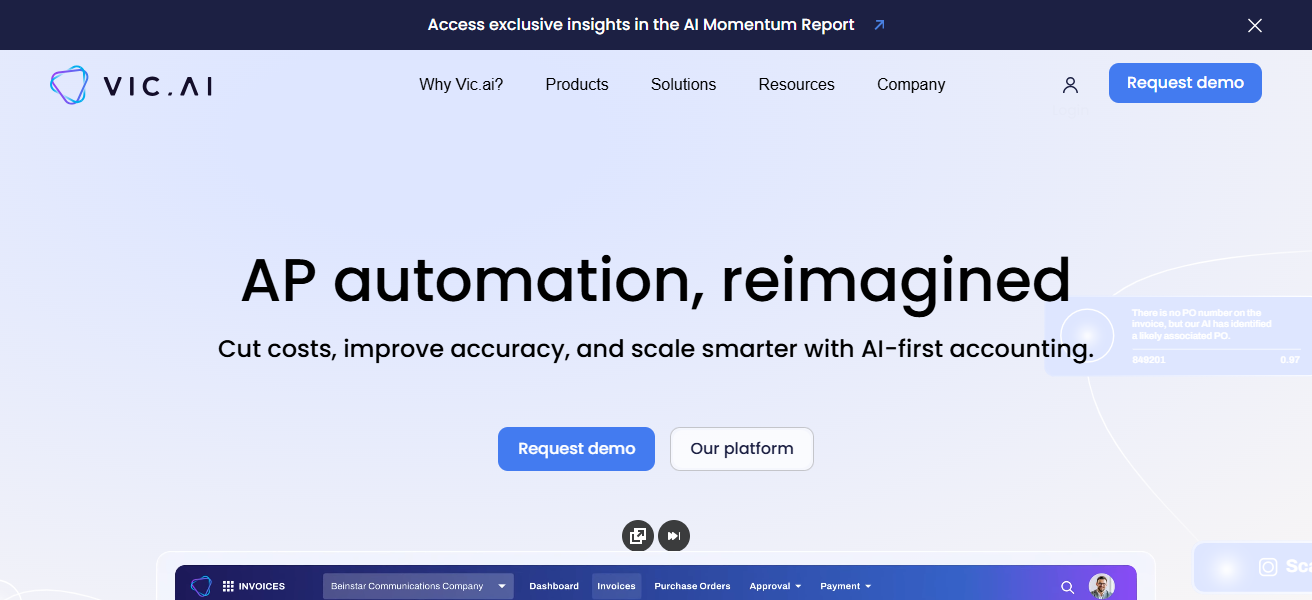
Vic.ai is used by large finance teams to automate accounts payable at scale, increasing fraud detection, expediting invoice approvals, and guaranteeing smooth financial operations with little human intervention across intricate accounting systems.
| Feature | Description |
|---|---|
| AI Invoice Processing | Reads and processes invoices automatically |
| Predictive Accounting | Learns from past data for better accuracy |
| Auto Approval System | Reduces manual approval steps significantly |
| Fraud Prevention AI | Detects anomalies in financial documents |
7. Dext
Dext is a software-as-a-service (SaaS) application for bookkeepers and accountants that automates documents and receipts.
It instantly syncs with accounting software, records receipts, and uses OCR technology to retrieve data. Dext improved its multi-document processing and AI classification capabilities in 2026.

Accountants use it to increase the accuracy of expense tracking and do away with human data entry. It allows for smooth process automation by integrating with programs like Xero and QuickBooks.
Dext is frequently used to make bookkeeping work easier, particularly for companies that deal with a lot of invoices and receipts.
| Feature | Description |
|---|---|
| Receipt Capture | Scans receipts using OCR technology |
| Data Extraction | Automatically extracts financial information |
| Cloud Syncing | Sends data directly to accounting software |
| Expense Organization | Categorizes expenses for bookkeeping accuracy |
8. Docyt
Bookkeeping, spending monitoring, and financial reporting are all centralized with Docyt, an AI-powered accounting automation software.
Real-time reconciliations and transaction classification are automated. Docyt is concentrating on “continuous accounting” in 2026, where financial data is updated instantly.

Companies utilize it to obtain real-time profitability data and shorten month-end closure times. Its automation engine increases accuracy while reducing the need for human interaction.
Businesses with several locations that require centralized financial control and automated reporting across various departments and income streams will find Docyt extremely helpful.
| Feature | Description |
|---|---|
| Continuous Accounting | Real-time bookkeeping updates |
| AI Categorization | Automatically classifies transactions |
| Financial Dashboard | Live view of financial performance |
| Multi-location Support | Centralized accounting for multiple branches |
9. Numeric
A cutting-edge accounting closure automation program called Numeric was created to simplify month-end financial procedures.
It facilitates the effective management of reporting workflows, journal entries, and reconciliations by accountants.

Numeric highlights real-time close tracking dashboards and AI-powered anomaly detection in 2026. By automating repetitive accounting procedures, finance departments can cut closing cycles from days to hours.
It improves accuracy in enterprise-level accounting activities and facilitates more seamless financial consolidation by integrating with major ERP systems.
| Feature | Description |
|---|---|
| Close Automation | Speeds up month-end closing processes |
| Reconciliation Tools | Automates matching of accounts |
| Error Detection | Identifies accounting discrepancies |
| Workflow Tracking | Monitors financial task progress |
10. Zoho Books
A robust cloud accounting program, Zoho Books automates bookkeeping, taxation, and invoicing. Because of its great automation features and low cost, it is quite popular among SMEs.
Zoho Books improves workflow automation, recurring billing, and AI-based GST compliance in 2026. It has extensive integration with the CRM and inventory systems of the Zoho ecosystem.

It is a comprehensive solution for effectively managing end-to-end accounting procedures since accountants utilize it for automated bank reconciliation, expense tracking, and financial reporting.
| Feature | Description |
|---|---|
| GST Compliance | Automates tax filing and calculations |
| Invoicing System | Creates and sends professional invoices |
| Bank Syncing | Matches transactions automatically |
| Workflow Automation | Streamlines approval and billing processes |
11. BlackLine
Large companies employ BlackLine, an enterprise-grade financial closure automation technology. Journal entries, account reconciliation, and compliance procedures are all automated.
BlackLine is concentrating on audit-ready reporting and AI-driven continuous closing procedures in 2026. It enhances financial accuracy in international businesses and lessens reliance on spreadsheets.

BlackLine is used by finance teams to maintain centralized financial management over several subsidiaries and accounting systems, expedite month-end close cycles, and guarantee regulatory compliance.
| Feature | Description |
|---|---|
| Account Reconciliation | Automates balance matching across accounts |
| Financial Close Management | Speeds up month-end closing cycles |
| Compliance Tracking | Ensures regulatory compliance automatically |
| Enterprise Reporting | Provides centralized financial visibility |
12. Zapier
Zapier is a software-as-a-service (SaaS) platform for workflow automation that links accounting programs and automates tedious bookkeeping operations.
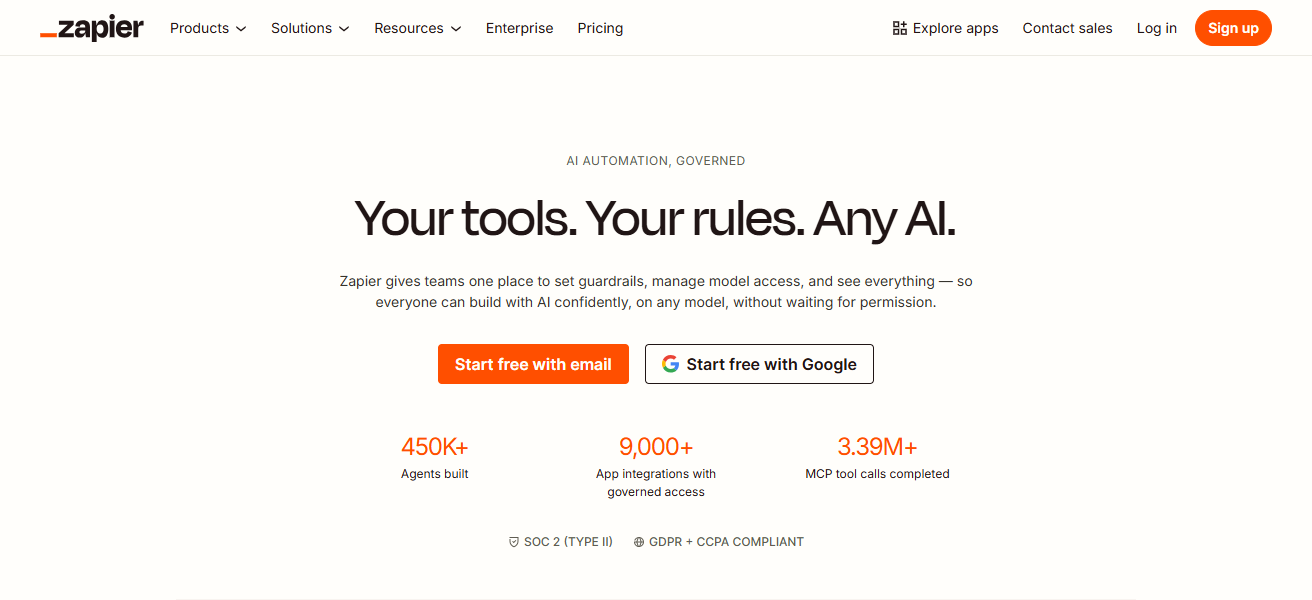
Without knowing any code, it enables accountants to design “if-this-then-that” workflows. By 2026, Zapier will provide sophisticated AI automation for financial tasks like data synchronization, invoice generation, and reporting notifications.
It works with programs like Dext, Xero, and QuickBooks. Companies utilize Zapier to streamline accounting processes across several SaaS platforms, automate data transfers, and save manual administrative labor.
| Feature | Description |
|---|---|
| Workflow Automation | Connects apps without coding |
| Task Automation | Automates repetitive bookkeeping tasks |
| Data Syncing | Transfers data between accounting tools |
| Trigger-Based Actions | Runs workflows based on set conditions |
Conclusion
In conclusion, SaaS applications are revolutionizing bookkeeping by automating financial reporting, spending tracking, reconciliation, and invoicing.
Systems like Xero, QuickBooks, and Zeni increase productivity and provide real-time insights while lowering human error.
Accountants can concentrate on strategy rather than monotonous work with the aid of these solutions.
Modern SaaS applications are making bookkeeping faster, smarter, and more accurate than before, thanks to AI-driven automation and smooth interfaces.
FAQ
What is the best SaaS tool for bookkeeping automation?
Xero, QuickBooks Online, and Zoho Books are top choices for SMEs due to strong automation features.
Which tool is best for invoice automation?
Vic.ai and BILL are leading tools for automated invoice processing and approvals.
Can SaaS tools replace accountants?
No, but they significantly reduce manual work and improve efficiency, allowing accountants to focus on strategy.
Which tool is best for startups?
Zeni and Ramp are popular among startups for AI-based financial management and expense automation.
What is the role of Zapier in accounting?
Zapier connects multiple accounting tools and automates repetitive workflows without coding.