Let me elaborate, in this article, we are going to talk about SaaS billing mistakes which silently killing your MRR. SaaS businesses today often have growth on their minds, but the billing stream quietly bleeds revenue with outdated processes.
These mistakes have a multiplying effect, from mistiming churn tracking to bad pricing. You need to understand where they can be broken, and how you can fix them, so that by 2026
You have a predictable, scalable, recurring revenue model that extracts as much lifetime value of a customer as possible with the best retention possible.
Key Points & SaaS Billing Mistakes That Are Silently Killing Your MRR
| SaaS Billing Mistake | Explanation |
|---|---|
| Not tracking churn accurately | Failing to track churn accurately hides revenue leakage, preventing timely fixes and sustainable subscription growth. |
| Overcomplicated pricing | Overcomplicated pricing confuses customers, reduces conversions, and increases support burden, lowering predictable recurring revenue streams. |
| Ignoring failed payments | Ignoring failed payments and dunning processes leads to avoidable churn and lost monthly recurring revenue. |
| Inflexible billing cycles | Offering inflexible billing cycles discourages upgrades, mismatches customer preferences, and reduces overall lifetime value potential. |
| No currency/tax localization | Not localizing currencies and taxes creates friction for customers, increasing drop-offs and limiting revenue expansion. |
| Poor invoicing clarity | Poor invoicing clarity causes disputes, delays payments, and damages trust, affecting cash flow and retention. |
| No self-service billing | Failing to provide self-service billing portals frustrates users, increases support tickets, and slows subscription efficiency. |
| No CRM integration | Not integrating billing with CRM leads to data silos, poor insights, and missed upselling opportunities. |
| Manual billing processes | Manual billing processes increase errors, waste time, and make scaling subscription operations difficult and risky. |
| Unclear upgrade paths | Unclear upgrade or downgrade paths frustrate customers, causing churn and reducing expansion revenue from users. |
| Not analyzing pricing metrics | Skipping compliance tax regulations risks penalties, legal issues, and unexpected costs that impact recurring revenue stability. |
| Ignoring tax compliance | Skipping compliance tax regulations risks penalties, legal issues, and unexpected costs impact recurring revenue stability. |
12 SaaS Billing Mistakes That Are Silently Killing Your MRR
1. Not tracking churn accurately
A lot of the SaaS companies that really keep track of churn do so to only a very superficial level, losing out on more interesting signals buried deeper in their billing data.
Median B2B SaaS churn is around 3.5% a month by 2026, but bad tracking often hides closer to real losses since many tend not to show up as customer attrition.

If businesses do not differentiate voluntary and involuntary churn, they might miss preventable revenue leaks such as payment failures.
This results in unwarranted growth assumptions, disappointing forecasting, and retention strategies, which decrease MRR while the company executive staff is kept convinced that performance is unchanged.
2. Overcomplicated pricing
In particular, pricing for modern SaaS has exploded in complexity to involve hundreds of feature combinations and tiers.
Flexibility is great, but as many have learned, too much complexity causes buyer confusion and increases the risk of churn, in that decisions are slowed down.
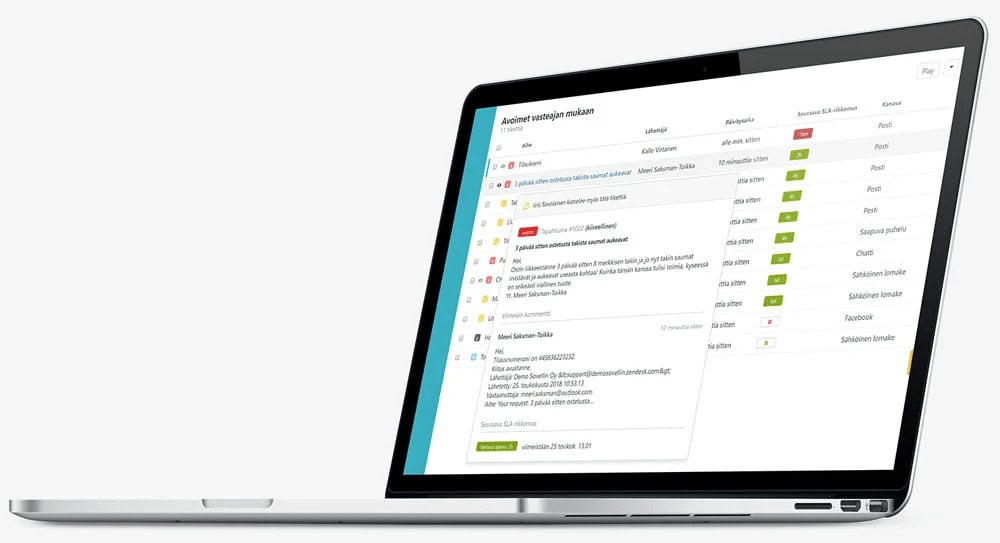
The value gets lost in translation, which results in decreased conversions and an increased dependency on support.
In the long run, complicated pricing creates internal billing errors that lead to revenue leakage. In general, simple and transparent pricing is more effective than complex models in terms of acquisition and long-term retention key performance indicators.
3. Ignoring failed payments
One of the most expensive silent killers of MRR is ignoring failed payments. Research suggests that SaaS companies lose around 9% of revenue to payment failures, too, and a staggering 20–40% of churn is said to be involuntary.
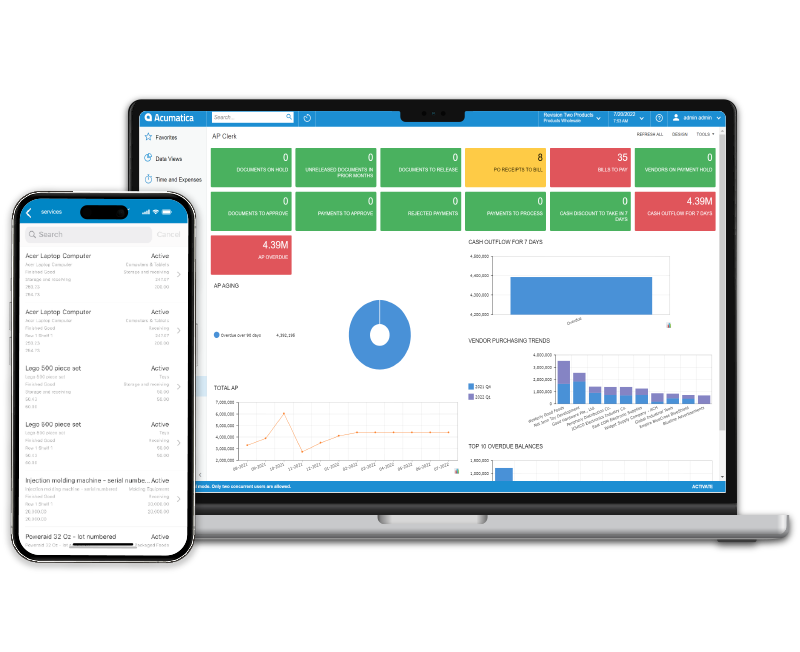
Recurring transactions fail the first time due to many reasons (up to 12–15%), but a substantial number of companies recoup less than half.
Note this preventable churn accumulates every month, leeching off revenue from the get-go — because these customers never intended to leave)
4. Inflexible billing cycles
Rigid billing cycles do not match up with what customers want, hence decreasing conversion and retention.
With fewer touchpoints for payment, research shows annual billing outperforms monthly billing by decreasing involuntary churn by 60–70%
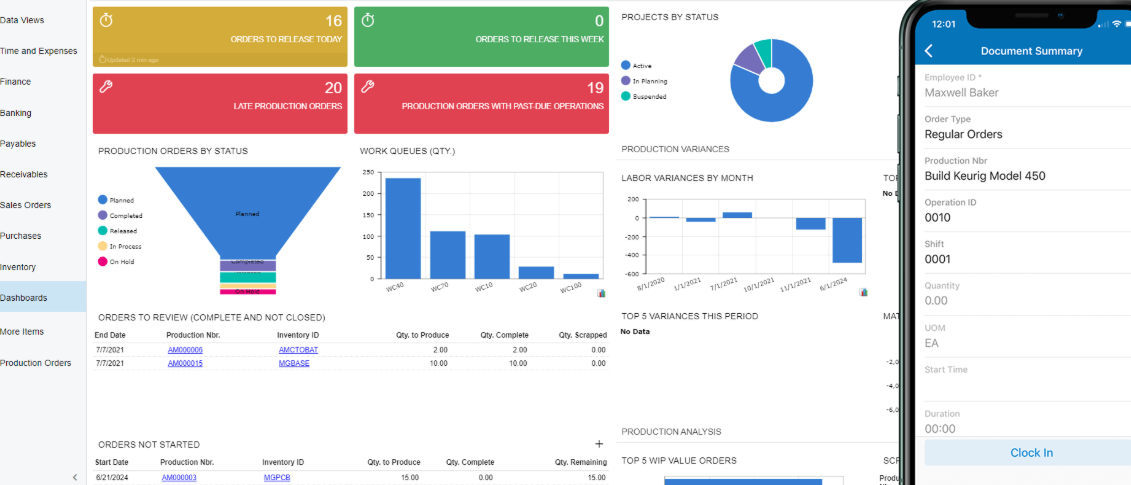
Coach: SaaS companies that do not provide various price models, such as monthly, annual, and usage tend to take a hit on customer adoption/expansion.
Improves churn for SMB users who really want to have the flexibility in cash management, this is what drives the bad of upgrade.
5. No currency/tax localization
You get a globalized utilization from worldwide SaaS development, yet quite a few organizations fail to offer currency and tax improvement services.
Customers experience payment failures and drop-offs when there is an unfamiliar currency or unexpected tax.
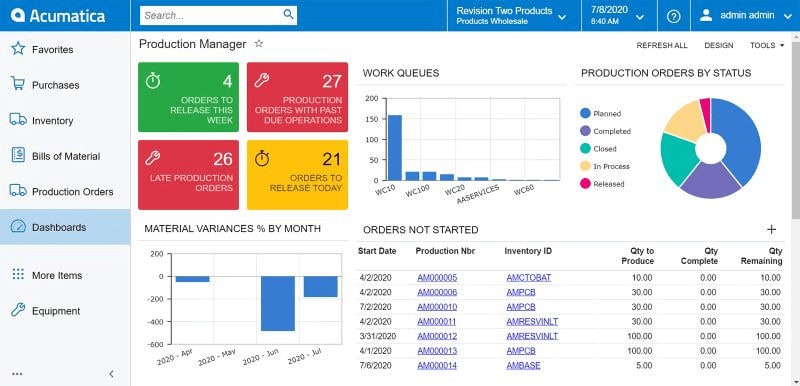
Localization is integral with the rise of cross-border SaaS, leading to friction during checkout and subsequent renewals. It has a direct impact on the conversion rates and retention.
Doing so leads to frictionless transactional experiences, increased trust, and therefore lower churn and higher international MRR growth over time.
6. Poor invoicing clarity
Hidden factors, such as unclear invoices, lead to delayed payments and dissatisfaction from the customer. Heavy billing transparency – unclear and inconsistent charges, no itemised breakdowns, or unidentifiable charges lead to customers questioning the value provided and postponing payments.
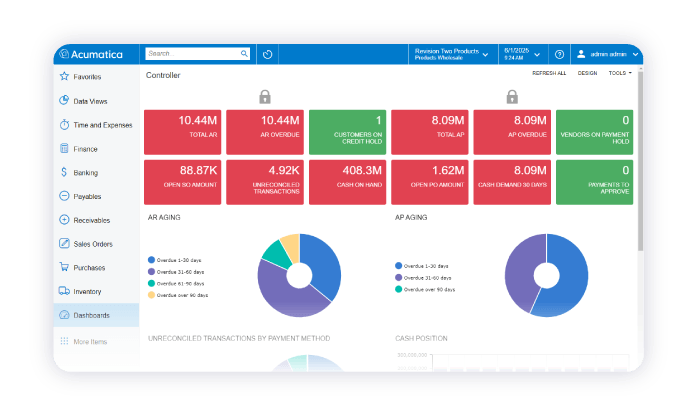
This affects cash flow directly and increases the risk of churn. In B2B SaaS, where contracts and even usage-based pricing are standard, invoice clarity is essential.
But poor invoicing increases the number of support tickets, increasing operational costs and leveraging customer trust and potential long-term retention.
7. No self-service billing
The expectation from customers to control subscriptions is growing; however, most SaaS businesses still depend on manual billing changes!
If there are no self-service portals, users cannot have the ease to upgrade, downgrade, or updating payment modes.
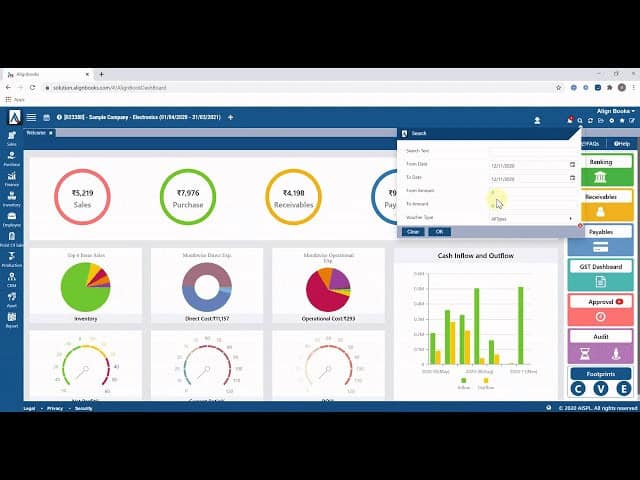
This friction results in fewer expansion dollars and greater churn. Since failed payments are a leading driver of churn, allowing users to change billing information
right away can prevent involuntary churn, positively impact retention rates, and at the same time reduce support requests and hence operational inefficiencies.
8. No CRM integration
Dangerous silos of data: Disconnected billing and CRM systems. Integration is key, and without it, teams can only hope to have limited visibility into customers’ full lifecycle, their payment behaviors, and churn risks.
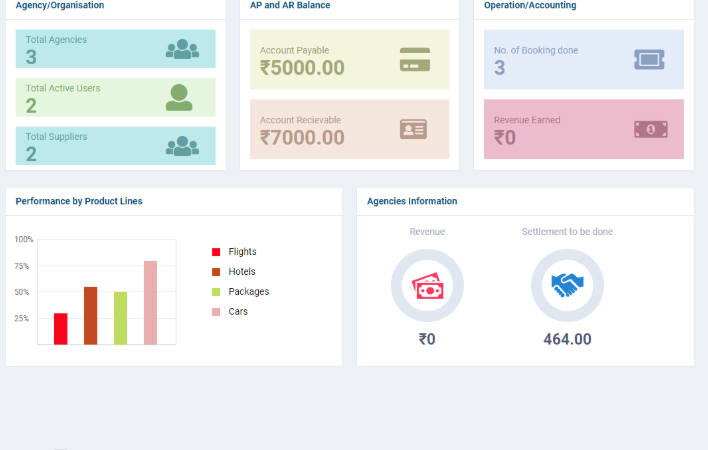
As a result, it leads to unactionable upsells and slower retention actions. Successful SaaS companies leverage consolidated information to drive Net Revenue Retention (NRR), which is driven by top quartile performers to superior levels of help > 120%.
The lack of integration leads to reactive instead of proactive business operations, capping growth and hampering long-term MRR expansion.
9. Manual billing processes
While manual billing would do for a while, it turns into one of the biggest growth bottlenecks at scale. Helps in creating errors, delays in invoice generation, and inconsistencies in tracking revenue.
Since subscription businesses manage thousands and thousands of recurring transactions, even a tiny error rate means millions lost — so automation has to be epic!

Business-to-business (B2B) organisations that depend on manual processes frequently find scalability, compliance, and reporting accuracy a real challenge as they expand, resulting in revenue leakage and operational inefficiency.
10. Unclear upgrade paths
If customers fail to easily understand how to upgrade, they simply will not. Bad upgrade paths depress expansion revenue, the most important SaaS flywheel.”
It is more cost-effective to acquire a new customer than it is to get one back, with acquisition costs 5-7x your retention costs, so extracting maximum value out of an existing customer will be key

Users are giving up because of confusing pricing tiers, unclear differences between features, or friction to upgrade, and this results in dead accounts and lost revenue, which will directly affect total MRR growth.
11. Not analyzing pricing metrics
Most SaaS businesses take the practice out of pricing performance analytics, leaving revenue optimization unrealized.
Analytical levers through ARPU, LTV, and pricing elasticity directly shape profitability. Only continuous analysis will reveal underpriced plans or expansion opportunities for businesses.
Based on the fact that the average SaaS revenue churn is 13–15% per year, (culta. No ai) Pricing Insights Go Unheeded, Losses Compound.
Pricing strategies powered by data can help businesses optimise plans, solve monetisation challenges, and ultimately scale customer lifetime recurring revenue through their growth curve.
12. Ignoring tax compliance
For SaaS companies that expand into Canada and even on a global scale, tax compliance is more complex than ever.
Neglecting tax regulations such as VAT, GST, or digital taxes may result in penalties, legal risks, and unexpected financial losses.
With global growth comes global compliance; it’s a requirement for subscription businesses. Not managing tax obligations effectively can significantly impact margins and cause billing operations to falter, leading to customer trust issues.
With proactive tax planning, it can be seamless to grow your global footprint while minimizing the risk of disruption in recurring revenue streams by an unexpected change in the regulatory environment.
Conclsuion
In conclusion, SaaS billing is much more than just collecting payments— it’s a critical enabler for growth. Small billing system inefficiencies can be slow-burning contributors to MRR spoilage.
These 12 mistakes can be fixed to reduce churn, improve customer experience, and ultimately drive higher revenue for your business.
9 Trends of the SaaS billing industry in 2026. Companies focused on billing optimization, automation, and data will have a sustainable structural advantage in 2023/10/2
FAQ
What is MRR in SaaS?
MRR (Monthly Recurring Revenue) is the predictable revenue a SaaS business earns every month from subscriptions.
How do failed payments impact SaaS revenue?
Failed payments cause involuntary churn, leading to significant revenue loss if not recovered through dunning systems.
Why is churn tracking important?
Accurate churn tracking helps identify revenue leaks, improve retention strategies, and ensure sustainable growth.
What is the best SaaS pricing strategy?
Simple, transparent, and flexible pricing models perform better than complex structures in conversions and retention.